
Posted by Earth's Answers on 10th Mar 2026
Signs of Yeast Overgrowth in Dogs + Natural Ways to Support Balance
7 Signs of Yeast Overgrowth in Dogs (And Ways to Support Balance Naturally)
Many dog owners notice symptoms like itchy paws, ear irritation, or a strong musty or cheesy odor and wonder what could be causing it. In some cases, these signs may be connected to an imbalance of yeast in the body. I would say this is usually the case, it is not rare!!
Yeast naturally lives on a dog’s skin and in the digestive tract. In a healthy animal it exists in balance with beneficial bacteria and other microorganisms. However, when that balance shifts, yeast may begin to overgrow and create uncomfortable symptoms.
Understanding the common signs of yeast imbalance can help pet owners take steps to support their dog’s overall wellness and restore healthy balance.
Quick Signs of Yeast Overgrowth in Dogs
| Symptom | What Owners Often Notice |
|---|---|
| Paw licking | Dogs chewing or licking paws frequently |
| Corn chip smell | Strong odor from paws or skin |
| Ear irritation | Dark debris or itching in ears |
| Red skin | Irritated skin folds |
Many of these symptoms may be connected to yeast overgrowth in dogs, which occurs when the natural balance of microorganisms on the skin or in the digestive system becomes disrupted.
Common Signs of Yeast Imbalance in Dogs
Yeast imbalance can show up in several different ways depending on the dog. Some of the most frequently reported signs include:
• Persistent paw licking or chewing
• A musty or “corn chip” odor or even a cheesy smell from the skin or paws
• Itchy ears or recurring ear debris
• Red or irritated skin, especially in folds
• Greasy or flaky skin
• Dark discoloration of the paws from licking
• Scooting or irritation around the rear
These symptoms can have multiple causes, but yeast imbalance is often one factor that pet owners explore when trying to understand their dog’s discomfort. Usually this comes from diet as most kibble has large amounts of corn and grains that feed yeast.
Why Yeast May Become Imbalanced
A dog’s body relies on a delicate ecosystem known as the microbiome. This includes beneficial bacteria, fungi, and other microorganisms that live in harmony when the body is balanced.
Several factors may contribute to disrupting that balance, including:
• Diets high in sugars or starches ( corn, soy, wheat etc)
• Antibiotic use
• Environmental stressors
• Seasonal allergies
• Immune system imbalance
• Digestive disruption
Stress on the body is huge too, many street dogs that have to forage for food have compromised immune systems from the stress of day to day survival. most dogs in the shelters that came from the streets are full of yeast overgrowth, this imbalance add even more on the compromised immune system causing all kinds of other health problems. If your dog is a rescue or adopted from a shelter, it may take several months or even a few years to regain a balance.
When the microbiome becomes unbalanced, yeast organisms may have an opportunity to multiply more than normal. The yeast itself is not "bad" but without everything in balance it will take over.
Supporting Microbial Balance Naturally
Supporting a dog’s digestive and immune health is often a helpful step when addressing yeast-related concerns.
Many holistic pet owners focus on promoting balance through nutrition, herbs, and lifestyle adjustments.
Some traditional herbs used to support microbial balance include:
• Pau d’Arco – traditionally used to support microbial balance
• Olive Leaf – known for its supportive role in maintaining a balanced microbiome
• Oregano – valued for its aromatic compounds that support healthy flora
• Probiotics – beneficial bacteria that help maintain digestive balance
These herbs are my always go-to when I deal with a yeast overgrowth. I use thise for humans too! They have long histories of traditional use for supporting healthy microbial environments within the body. I do not rely on probiotics alone, I feel the body needs extra support with herbs that have antifungal properties and in general support the digestive tract.
The Importance of Gut Health
Many holistic practitioners believe that skin health often reflects what is happening in the digestive system.
A balanced gut microbiome supports:
• immune system function
• nutrient absorption
• skin and coat health
• microbial balance throughout the body
For this reason, many natural wellness approaches begin by focusing on digestive support and restoring microbiome balance.
Diet and Environmental Considerations
Diet can also play a role in supporting healthy microbial balance.
Some pet owners explore:
• reducing highly processed foods
• limiting excess starches or sugars
• incorporating whole-food nutrition
• supporting digestive health with probiotics
Environmental factors such as moisture, allergens, and grooming habits may also influence skin health.
When to Consult Your Holistic Veterinarian
There can be other factors to cause skin irritation, alergies and even hormones can play a part so in come cases it may be best to get a diagnosis to rule out other underlying health issues. Most of the time it is yeast realated when dogs experience a cheesy smell, ear itching and paw licking but it may be best to have ot checked out if there are other symptoms as well. If your dog is experiencing persistent itching, irritation, or discomfort, it’s always best to consult with a trusted holistic veterinarian. A professional can help identify the underlying cause and recommend appropriate care.
Working on your dogs microbiome and gut health is very safe and will support many other health concerns, your holistic veterinarian can guide you on best recommendations for your dog pr puppy.
Supporting Your Dog’s Natural Balance
Many pet owners choose to support their dog’s wellness through natural approaches that focus on restoring balance in the body.
Herbal blends designed to support digestive health and microbial balance can be a helpful addition to a holistic wellness routine when used alongside a balanced diet and healthy lifestyle.
One factor sometimes considered in holistic wellness approaches is the presence of intestinal parasites. Parasites can place stress on the digestive system and may interfere with the balance of beneficial bacteria in the gut. Deworming your dog on a routine schedule naturally can help create a balanced environment.
For this reason, many natural wellness routines begin by focusing on supporting a clean and balanced digestive environment.
Maintaining a healthy intestinal ecosystem can help support:
I do make and sell my No More Worm blend that has Food Grade Diatomaceous Earth, organic ground lemongrass. Olive leaf, probiotics and Vitamin C. This blend helps keep a healthy immune system which helps keep a good balance. Check out my natural deworming blend here.
• proper digestion
• immune system function
• microbial balance in the gut
• healthy skin and coat
When the digestive system is supported and functioning well, the body is often better able to maintain a balanced internal environment.
Many pet owners explore traditional herbs that have long been used to support digestive health and microbial balance, such as olive leaf, pau d’arco, and other botanical ingredients known for their supportive role in maintaining a healthy gut environment.
Supporting digestive balance, along with proper nutrition and overall wellness, may help create conditions that allow the body to naturally maintain healthy microbial harmony.
So if it is Yeast, Have you Wondered Why Do My Dog’s Paws Smell Like Corn Chips?
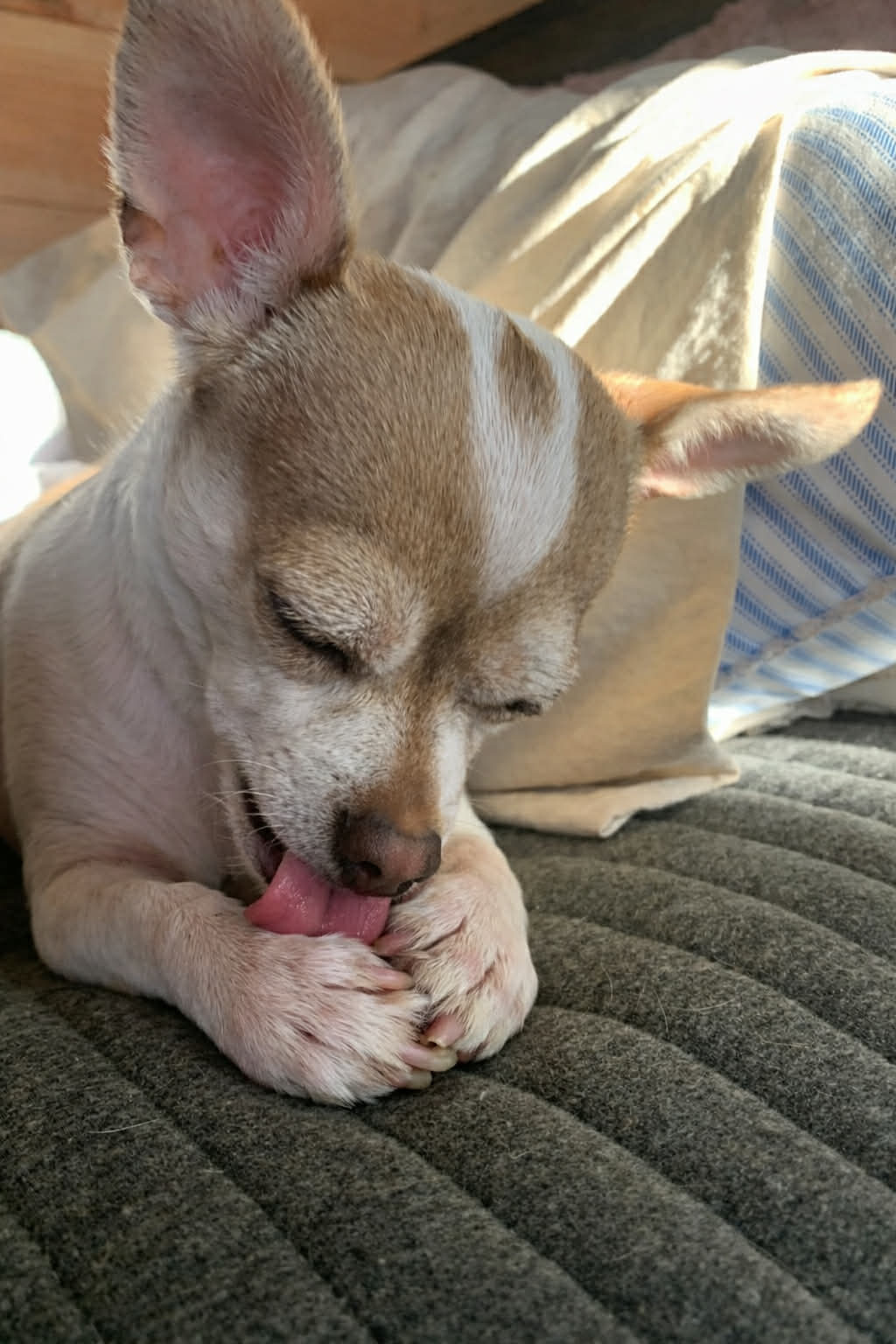
One symptom that many pet owners notice when dealing with yeast imbalance is a strong odor coming from their dog’s paws. This smell is often described as similar to corn chips or popcorn.
Dogs naturally have bacteria and yeast living on their skin, especially on the paws where moisture and warmth create an ideal environment for microorganisms. In a healthy dog these organisms live in balance and do not cause noticeable odor.
However, when yeast or certain bacteria begin to grow in greater numbers, the paws may develop a stronger smell. Dogs experiencing irritation may also lick or chew their paws frequently, which adds additional moisture and can further encourage microbial growth.
For some dogs, this odor may simply be a temporary imbalance of the skin microbiome. In other cases, it can be a sign that the body’s internal microbial balance needs additional support.
Supporting digestive health, maintaining a balanced diet, and promoting a healthy microbiome are common steps holistic pet owners explore when working to restore balance both internally and on the skin.
A Little FAQ
Why do dogs lick their paws when yeast is present?
Dogs may lick their paws when the skin feels irritated. Moisture from licking can sometimes make microbial imbalance worse.
Is the corn chip smell always yeast?
Not always. The smell can come from naturally occurring bacteria or yeast that live on the skin.
For a healthy happy dog be sure to focus on the gut, optimal diet and immune building herbs and supplements are so beneficial. If your dog is out of balance, be patient with the new diet and protocol. it can take months to get it all lined out. I have assembled a list of all the product I use for my dogs and rescues that arrive yeasty in my Amazon Store. My link is here
Related Reading
-
Why Dogs Lick Their Paws Constantly
-
Dog Scooting: Causes and Natural Support